
Scripture Study WhitepaperEasy guide to a 1,600-year-old papyrus claim
~4th–5th centuryGreek · EgyptHomily fragment
Two framings
Headline energy vs. scholarly weight
Same papyrus. Different jobs. News needs a hook. Study needs limits, genre, and provisional readings.
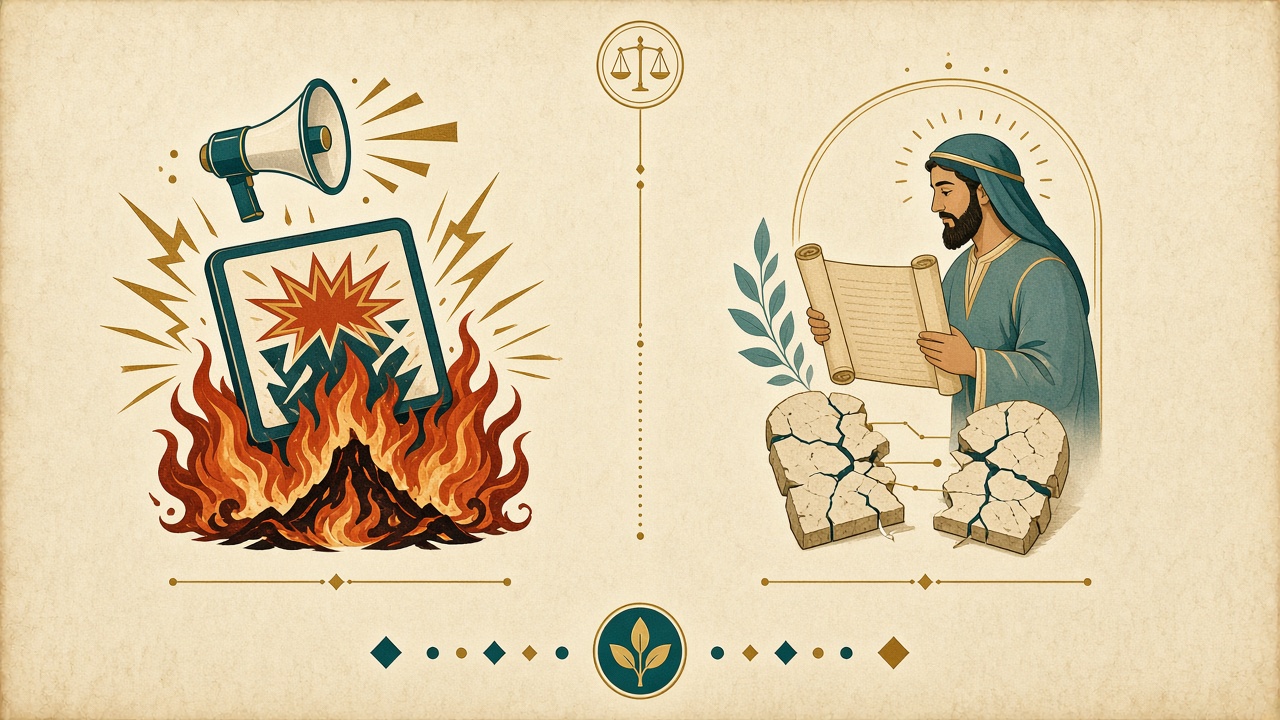
Left: news energy. Right: careful reading of a broken sermon. Same find; different weight.
Headline energy vs. scholarly weight
Higher bar = stronger emphasis in that framing. News leans on “lost story.” Study leans on known tradition in a broken sermon.
| Popular framing (MSN-style) | Closer reading |
|---|---|
| News “Lost account of Jesus’ descent to hell and resurrection” | Study Fragment of homily/exhortation, not a continuous Passion narrative |
| News “Uncovered” as if a new story of Jesus | Study Reflects already-attested church teaching in Greek preaching from Egypt |
| News Complete underworld story | Study A few broken lines; Hades is often an editorial reconstruction |
| News Rival to the four Gospels | Study Does not displace Matthew–John; sits with creedal / 1 Peter–style tradition |
How to talk about it in class or family study: “A preacher in Egypt, about 1,600 years ago, taught what the church already confessed—Christ went to the dead and rose. The page is damaged. The idea is familiar.”